Infrastructure Monitoring
Lifecycle Cost Reduction of Mechanically Stressed Components
Infrastructure components such as transportation networks, civil structures, and technical installations are continuously exposed to mechanical loads and environmental influences. Over time, this can lead to structural changes, material fatigue, or the development of local weaknesses.
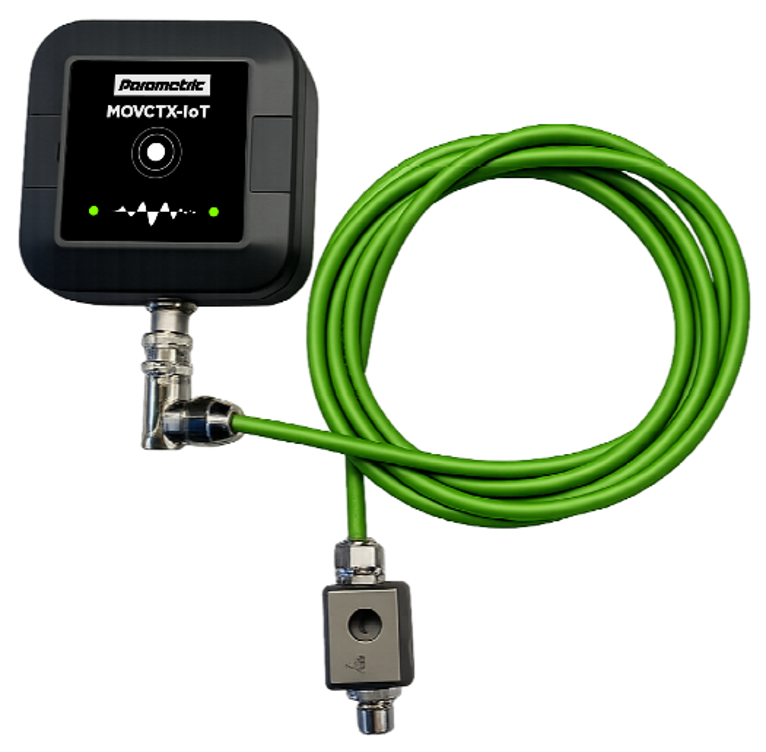
Parametric’s monitoring solution enables early detection of such changes and continuous condition monitoring of infrastructure components.
The solution is suitable for a wide range of applications, including:
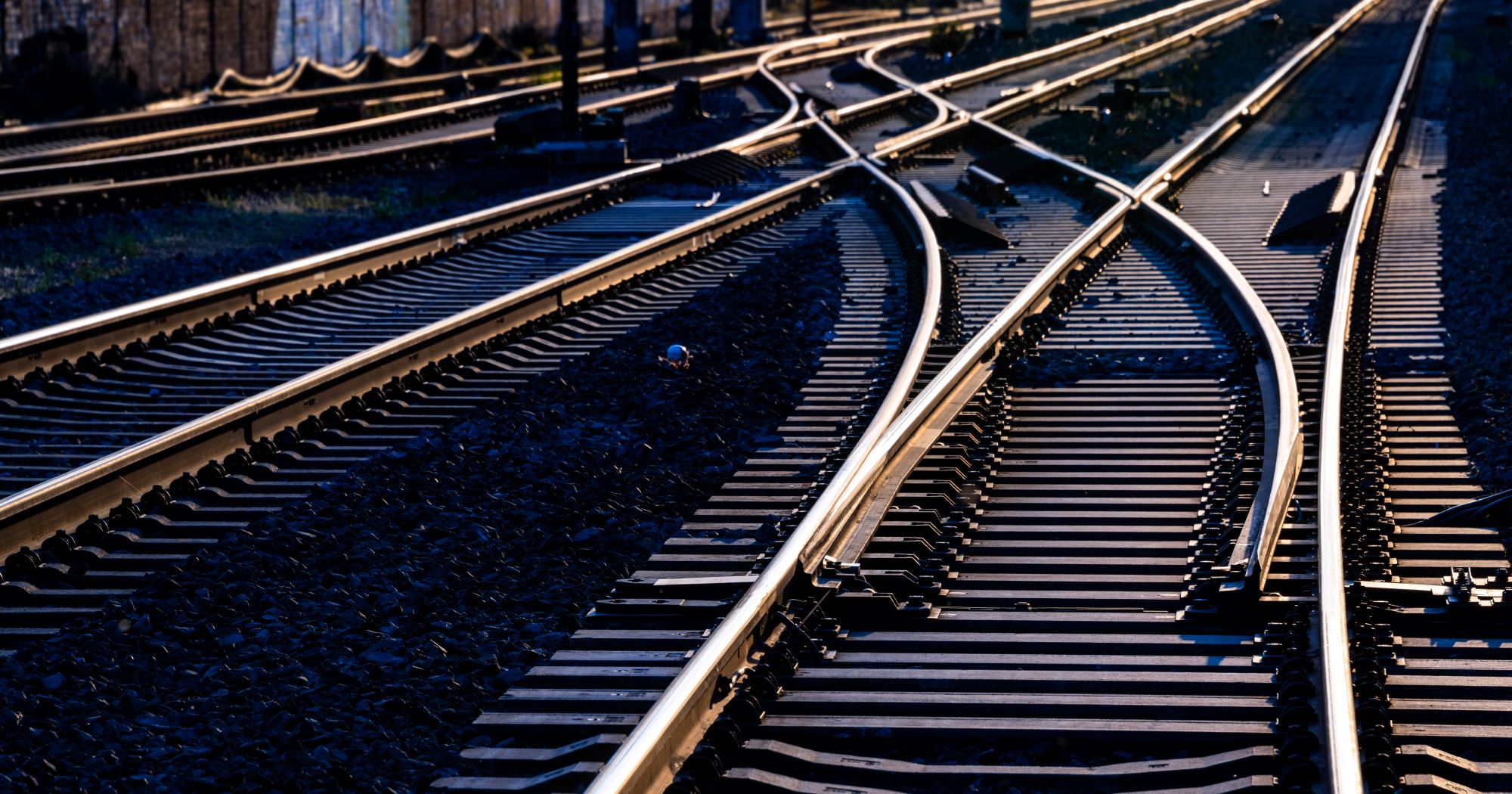
- Railway infrastructure (tracks, sleepers, switches, substructure)
- Road infrastructure
- Bridges and civil structures
Two Approaches to Condition Monitoring
Parametric offers two complementary approaches for infrastructure monitoring.
Vehicle-based measurement
Sensors can be installed on vehicles such as trains, road vehicles, or inspection vehicles. During normal operation, they capture vibrations, accelerations, and other physical parameters.
These data allow conclusions to be drawn about the condition of the infrastructure being traversed.
Typical applications include:
- Monitoring of road surfaces
- Analysis of railway networks
- Detection of irregularities in transportation infrastructure
- Condition assessment of switches or transitions
The key advantage of this approach is the large-scale monitoring of entire networks, without the need to install additional sensors along the infrastructure.
Direct monitoring of infrastructure components
Alternatively, sensors can be installed directly on infrastructure components. This enables highly accurate measurement of local structural changes.
Typical applications include:
- Bridges and structural elements
- Road and rail structures
- Switches and transitions
- Technical installations and infrastructure components
Sensors can measure, for example:
- Vibrations and accelerations
- Rotational movements
- Acoustic signatures
- Environmental parameters
This stationary monitoring enables detailed analysis of the mechanical behavior of individual components and the early detection of structural changes.
Combined Monitoring Strategy
In many applications, combining both approaches provides the greatest value.
Vehicle-based sensing enables large-scale monitoring of infrastructure networks, while stationary sensors at critical locations provide high-resolution analysis of individual components.
By combining these data sources, operators gain a comprehensive understanding of the condition of their infrastructure.
The collected sensor data are preprocessed locally and subsequently analyzed in the Parametric Cloud. This enables the detection of trends, evaluation of conditions, and generation of alerts.